
- Tech
- Shop




Blog
Benefits of Progressive Web Apps (PWAs)
In today’s digital landscape, businesses are constantly looking for faster, more efficient, and user-friendly ways to connect with customers online. One of the most innovative solutions transforming modern web development is the Progressive Web App (PWA).
Progressive Web Apps combine the best features of websites and mobile applications, delivering fast, reliable, and engaging user experiences directly through web browsers. PWAs are becoming increasingly popular because they offer app-like functionality without requiring users to download traditional mobile apps from app stores.
In this blog, we will explore the major benefits of Progressive Web Apps (PWAs) and why businesses are adopting them for long-term digital growth.
What Is a Progressive Web App (PWA)?
A Progressive Web App is a web application that uses modern web technologies to provide users with an experience similar to a native mobile app.
PWAs work through browsers but offer advanced features such as:
- Offline functionality
- Push notifications
- Fast loading speed
- Home screen installation
- Responsive design
PWAs are accessible across multiple devices, including smartphones, tablets, and desktops.
Why Businesses Are Choosing PWAs
Businesses today need digital solutions that are:
- Fast
- Cost-effective
- User-friendly
- Mobile-optimized
- Scalable
PWAs help businesses improve customer engagement while reducing development and maintenance costs.
Many global brands are already using PWAs to enhance user experience and increase conversions.
1. Faster Loading Speed
Speed is one of the biggest advantages of Progressive Web Apps.
PWAs use advanced caching technologies that allow pages to load quickly, even in low-network conditions.
Benefits of Faster Speed:
- Improved user experience
- Lower bounce rates
- Better engagement
- Faster navigation
- Increased conversions
Fast websites and apps keep users satisfied and encourage longer interactions.
2. Offline Functionality
Unlike traditional websites, PWAs can work offline or with limited internet connectivity.
Offline Features Include:
- Access to previously loaded content
- Offline browsing
- Data synchronization
- Continued user interaction
This improves accessibility and reliability for users in poor network areas.
3. App-Like User Experience
PWAs provide a smooth and immersive experience similar to native mobile apps.
App-Like Features:
- Full-screen interface
- Smooth animations
- Fast interactions
- Gesture-based navigation
- Home screen access
Users enjoy a seamless browsing experience without needing to install heavy applications.
4. No App Store Dependency
Traditional mobile apps require approval and publishing through app stores.
PWAs eliminate this dependency.
Benefits:
- Instant access through browsers
- No app store commissions
- Faster updates
- Simplified deployment
- Reduced maintenance complexity
Users can start using the application immediately through a URL.
5. Lower Development Costs
Developing separate Android and iOS apps can be expensive.
PWAs use a single codebase across multiple platforms.
Cost Advantages:
- Lower development expenses
- Easier maintenance
- Faster updates
- Reduced operational costs
Businesses can reach wider audiences without building multiple native apps.
6. Better Mobile Performance
PWAs are designed with mobile-first principles.
Mobile Benefits:
- Responsive design
- Smooth scrolling
- Fast loading
- Better accessibility
- Improved mobile engagement
PWAs deliver excellent experiences across all screen sizes.
7. Improved SEO Performance
Unlike native mobile apps, PWAs are searchable by search engines.
SEO Benefits:
- Better Google rankings
- Increased organic traffic
- Faster indexing
- Improved visibility
Because PWAs function like websites, businesses can combine app functionality with SEO advantages.
8. Push Notifications
PWAs support push notifications, helping businesses engage users directly.
Push Notification Benefits:
- Promotional offers
- Order updates
- Personalized messages
- Re-engagement campaigns
Notifications improve customer interaction and retention rates.
9. Enhanced User Engagement
Progressive Web Apps often provide higher engagement rates compared to traditional websites.
PWAs Improve Engagement By:
- Faster interactions
- Better usability
- Reduced loading delays
- Personalized experiences
Engaged users are more likely to convert into customers.
10. Easy Installation
Users can install PWAs directly from their browser without visiting app stores.
Installation Benefits:
- Quick setup
- No storage-heavy downloads
- Simple onboarding process
- Instant accessibility
This removes friction from the user journey.
11. Reduced Storage Usage
Native apps often consume large amounts of device storage.
PWAs are lightweight and require minimal space.
Benefits:
- Faster installation
- Better performance on low-end devices
- Improved accessibility
Users prefer applications that do not consume excessive storage.
12. Automatic Updates
PWAs update automatically in the background without requiring manual downloads.
Advantages:
- Latest features instantly available
- Improved security
- Better performance
- No user intervention needed
Businesses can deploy updates quickly and efficiently.
13. Increased Conversion Rates
PWAs help businesses improve sales and conversions through better user experiences.
Conversion Benefits:
- Faster checkout process
- Reduced bounce rates
- Better mobile performance
- Improved customer trust
Smooth experiences encourage users to complete purchases or inquiries.
14. Improved Security
PWAs operate through HTTPS, providing secure communication between users and servers.
Security Benefits:
- Encrypted data transfer
- Safer user interactions
- Improved customer trust
- Better data protection
Security is essential for modern web applications.
15. Cross-Platform Compatibility
PWAs work across multiple operating systems and devices.
Supported Platforms:
- Android
- iOS
- Windows
- macOS
- Desktop browsers
Businesses can reach wider audiences using a single application.
Industries Benefiting from PWAs
Many industries are rapidly adopting Progressive Web Apps.
Popular Industries Include:
- eCommerce
- Food delivery
- Travel and hospitality
- Healthcare
- Education
- News and media
- Finance
PWAs provide flexible solutions for businesses across various sectors.
Progressive Web Apps vs Native Apps
| Feature | PWA | Native App |
|---|---|---|
| Installation | Browser-based | App store required |
| Development Cost | Lower | Higher |
| SEO Friendly | Yes | No |
| Offline Access | Yes | Yes |
| Platform Compatibility | Cross-platform | Platform-specific |
| Storage Usage | Low | High |
| Updates | Automatic | Manual app updates |
Both options have benefits, but PWAs offer excellent flexibility and affordability.
Future of Progressive Web Apps
PWAs continue to grow as businesses focus on performance, accessibility, and mobile engagement.
Future Trends Include:
- AI integration
- Advanced offline features
- Better device support
- Enhanced mobile experiences
- Improved browser capabilities
As technology evolves, PWAs are expected to become even more powerful.
Conclusion
Progressive Web Apps are transforming modern web development by combining the strengths of websites and mobile applications. They offer faster performance, lower development costs, improved SEO, better user engagement, and seamless mobile experiences.
For businesses looking to improve customer interaction, increase conversions, and reduce operational costs, PWAs provide a smart and future-ready solution.
Investing in Progressive Web Apps is not just a technology upgrade — it is a strategic move toward better digital growth and customer satisfaction.
Related posts
Signs Your Business Needs a Website Redesign

How to Know When It’s Time to Upgrade Your Website for Better Growth and Performance
In today’s digital world, your website is often...
Responsive Web Design Explained: A Complete Guide
Why Responsive Design Is Essential for Modern Websites
In today’s digital world, users access websites through a wide variety of dev...
Website Maintenance: Why It Matters for Business Growth
The Importance of Regular Website Maintenance for Performance, Security, and Success
In today’s digital world, a business website is...
Choosing the Right Technology Stack for Your Business Project
How to Choose the Right Technology Stack for Your Project
Choosing the right technology stack is one of the most important decisions...
Top Benefits of Progressive Web Apps for Businesses
Benefits of Progressive Web Apps (PWAs)
In today’s digital landscape, businesses are constantly looking for faster, more efficient, ...

Common Website Security Errors Businesses Must Avoid
Common Website Security Mistakes and How to Avoid Them
In today’s digital world, website security is more important than ever. Busin...
The Impact of Website Speed on SEO and Conversions
How Website Speed Affects SEO and Conversions
In today’s fast-paced digital world, website speed plays a critical role in online suc...
Future of Web Development: Trends Businesses Must Follow
Top Web Development Trends Businesses Should Watch
In today’s fast-changing digital landscape, web development continues to evolve r...
Which Is Better: Custom Software or Off-the-Shelf Software?
Custom Software vs Off-the-Shelf Software: Which Is Better?
In today’s fast-paced digital world, software plays a critical role in b...
How Mobile Apps Increase Business Revenue
How Mobile Apps Help Businesses Increase Revenue
In today’s fast-growing digital economy, mobile applications have become one of the...
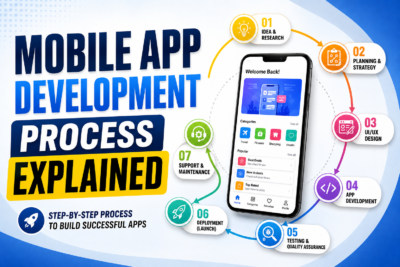
Mobile App Development Lifecycle Explained
Mobile App Development Process Explained
In today’s digital world, mobile applications have become an essential part of businesses, ...
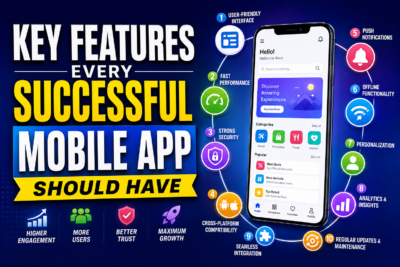
Key Features Every Successful Mobile App Should Have
Key Features Every Successful Mobile App Should Have
In today’s competitive digital world, building a mobile app is easier than ever...