- Tech
- Shop



Blog
How to Know When It’s Time to Upgrade Your Website for Better Growth and Performance
In today’s digital world, your website is often the first impression customers have of your business. A professional, modern, and user-friendly website helps build trust, improve customer engagement, and increase conversions. However, as technology, design trends, and customer expectations continue to evolve, websites can quickly become outdated.
An old or poorly performing website can negatively impact your brand reputation, search engine rankings, customer experience, and sales. That’s why businesses must regularly evaluate whether their website still meets modern standards and business goals.
In this blog, we will explore the most common signs that indicate your business needs a website redesign and how a redesigned website can support long-term growth.
Why Website Redesign Matters
A website redesign is more than just changing colors or updating layouts. It involves improving functionality, user experience, performance, responsiveness, security, and overall business effectiveness.
A modern website helps businesses:
- Improve customer trust
- Increase website traffic
- Generate more leads
- Improve SEO rankings
- Increase conversions
- Stay competitive
A redesigned website can become a powerful business growth tool.
1. Your Website Looks Outdated
First impressions matter. If your website design looks old-fashioned, users may assume your business is outdated as well.
Signs of an Outdated Design:
- Old-style layouts
- Poor visual hierarchy
- Low-quality images
- Cluttered pages
- Inconsistent branding
Modern users expect clean, attractive, and professional website designs.
Why It Matters
An outdated website can:
- Reduce customer trust
- Increase bounce rates
- Lower engagement
- Harm brand reputation
Refreshing the design improves credibility and user confidence.
2. Your Website Is Not Mobile-Friendly
Most internet users now browse websites using smartphones and tablets.
If your website does not work properly on mobile devices, you are losing valuable traffic and customers.
Common Mobile Problems:
- Text too small to read
- Buttons difficult to click
- Broken layouts
- Slow mobile loading
- Horizontal scrolling
Why Mobile Optimization Matters
A mobile-friendly website helps:
- Improve user experience
- Increase mobile conversions
- Improve SEO rankings
- Reduce bounce rates
Responsive web design is essential for modern businesses.
3. Slow Website Speed
Website speed directly affects customer satisfaction and conversions.
Signs of Poor Website Performance:
- Pages load slowly
- Images take too long to appear
- Delayed navigation
- Slow mobile experience
Users often leave websites if they take more than a few seconds to load.
Why Speed Matters
Fast websites help:
- Improve SEO rankings
- Increase engagement
- Reduce bounce rates
- Improve sales and lead generation
Website redesigns often include performance optimization improvements.
4. Poor User Experience (UX)
User experience plays a major role in website success.
Common UX Problems:
- Difficult navigation
- Confusing layouts
- Broken links
- Too many popups
- Poor readability
If users struggle to find information, they are likely to leave the website.
Why UX Matters
Good user experience:
- Keeps visitors engaged
- Improves customer satisfaction
- Encourages conversions
- Builds trust
Modern redesigns focus heavily on usability and accessibility.
5. High Bounce Rate
Bounce rate measures how quickly users leave your website without interaction.
A high bounce rate often indicates problems with:
- Website design
- Loading speed
- Content quality
- Mobile usability
- Navigation
Why It Matters
Lower bounce rates often lead to:
- Better engagement
- Higher SEO performance
- Increased conversions
A redesigned website can improve visitor retention significantly.
6. Your Website Does Not Reflect Your Brand
Businesses evolve over time, but many websites fail to reflect current branding, services, or goals.
Signs of Branding Issues:
- Outdated logos
- Inconsistent colors
- Old messaging
- Missing services
- Poor visual identity
Why Branding Matters
Strong branding helps:
- Build trust
- Improve recognition
- Create professionalism
- Strengthen customer loyalty
A redesign aligns your website with your current business identity.
7. Poor SEO Performance
If your website is not ranking well on search engines, outdated design and technical issues may be part of the problem.
Common SEO Problems:
- Slow loading speed
- Poor mobile optimization
- Broken links
- Outdated structure
- Missing metadata
Why SEO Matters
Good SEO helps businesses:
- Increase organic traffic
- Improve visibility
- Generate leads
- Stay competitive
Modern websites are designed with SEO best practices in mind.
8. Security Vulnerabilities
Older websites often contain outdated software, plugins, or security systems.
Security Risks Include:
- Malware attacks
- Hacking attempts
- Data breaches
- SSL certificate issues
Why Security Matters
A secure website:
- Protects customer data
- Improves trust
- Prevents downtime
- Supports SEO rankings
Website redesigns often include upgraded security systems.
9. Difficult Content Management
If updating your website feels complicated or time-consuming, your CMS or website structure may be outdated.
Common Issues:
- Hard-to-edit pages
- Complex backend systems
- Slow publishing process
- Limited flexibility
Why Modern CMS Platforms Matter
Modern content management systems help businesses:
- Update content easily
- Improve workflow efficiency
- Publish blogs faster
- Manage SEO effectively
A redesign can simplify website management.
10. Your Competitors Have Better Websites
If competitor websites look more modern, load faster, and provide better user experiences, customers may choose them over your business.
Competitor Advantages May Include:
- Better design
- Faster speed
- Easier navigation
- Stronger branding
- Better functionality
Why Staying Competitive Matters
Modern websites help businesses:
- Attract more customers
- Build stronger online presence
- Improve credibility
- Increase market competitiveness
A redesign helps businesses remain relevant in competitive industries.
11. Low Conversion Rates
If your website receives traffic but generates few leads or sales, the design and user experience may need improvement.
Conversion Problems Include:
- Weak call-to-action buttons
- Confusing layouts
- Slow checkout process
- Poor landing pages
Why Conversions Matter
Optimized websites improve:
- Lead generation
- Online sales
- Contact form submissions
- Customer engagement
Website redesigns often focus heavily on conversion optimization.
12. Your Website Uses Outdated Technology
Old technologies can limit website performance and compatibility.
Problems With Outdated Technology:
- Browser compatibility issues
- Poor responsiveness
- Security vulnerabilities
- Limited functionality
Why Modern Technology Matters
Modern technologies improve:
- Speed
- Security
- Scalability
- User experience
Technology upgrades are often a major reason for redesign projects.
13. Your Website Is Hard to Navigate
Visitors should easily find information within seconds.
Navigation Problems Include:
- Too many menu items
- Confusing page structure
- Poor search functionality
- Hidden important information
Why Navigation Matters
Good navigation:
- Improves usability
- Reduces frustration
- Increases engagement
- Encourages conversions
Simple navigation is a key part of modern web design.
Benefits of Website Redesign
A professional website redesign offers many business advantages.
Key Benefits Include:
- Better user experience
- Improved SEO performance
- Faster loading speed
- Stronger branding
- Increased conversions
- Enhanced security
- Mobile responsiveness
- Better customer trust
A redesigned website supports long-term digital growth.
How Often Should a Website Be Redesigned?
Most businesses should evaluate their website every 2–3 years.
Redesign Timing Depends On:
- Industry trends
- Technology changes
- Business growth
- Customer expectations
- SEO updates
Regular improvements help businesses stay competitive online.
Future Website Design Trends
Modern website design continues evolving rapidly.
Emerging Trends Include:
- AI-powered personalization
- Motion UI
- Dark mode design
- Voice search optimization
- Minimalist interfaces
- Advanced accessibility features
Businesses should adapt to modern trends to maintain strong digital presence.
Conclusion
Your website is one of the most important assets of your business. If your site looks outdated, loads slowly, performs poorly on mobile devices, or fails to generate leads, it may be time for a redesign.
A professional website redesign improves user experience, SEO rankings, security, branding, and conversions while helping businesses stay competitive in today’s digital market.
Investing in a modern, responsive, and optimized website is not just a design upgrade — it is a strategic step toward long-term business growth and online success.
Related posts
Signs Your Business Needs a Website Redesign

How to Know When It’s Time to Upgrade Your Website for Better Growth and Performance
In today’s digital world, your website is often...
Responsive Web Design Explained: A Complete Guide
Why Responsive Design Is Essential for Modern Websites
In today’s digital world, users access websites through a wide variety of dev...
Website Maintenance: Why It Matters for Business Growth
The Importance of Regular Website Maintenance for Performance, Security, and Success
In today’s digital world, a business website is...
Choosing the Right Technology Stack for Your Business Project
How to Choose the Right Technology Stack for Your Project
Choosing the right technology stack is one of the most important decisions...
Top Benefits of Progressive Web Apps for Businesses
Benefits of Progressive Web Apps (PWAs)
In today’s digital landscape, businesses are constantly looking for faster, more efficient, ...

Common Website Security Errors Businesses Must Avoid
Common Website Security Mistakes and How to Avoid Them
In today’s digital world, website security is more important than ever. Busin...
The Impact of Website Speed on SEO and Conversions
How Website Speed Affects SEO and Conversions
In today’s fast-paced digital world, website speed plays a critical role in online suc...
Future of Web Development: Trends Businesses Must Follow
Top Web Development Trends Businesses Should Watch
In today’s fast-changing digital landscape, web development continues to evolve r...
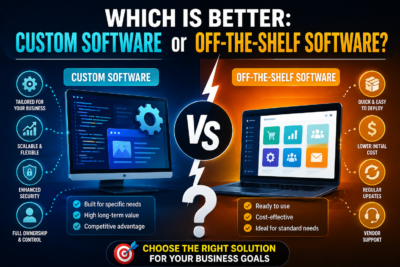
Which Is Better: Custom Software or Off-the-Shelf Software?
Custom Software vs Off-the-Shelf Software: Which Is Better?
In today’s fast-paced digital world, software plays a critical role in b...

How Mobile Apps Increase Business Revenue
How Mobile Apps Help Businesses Increase Revenue
In today’s fast-growing digital economy, mobile applications have become one of the...
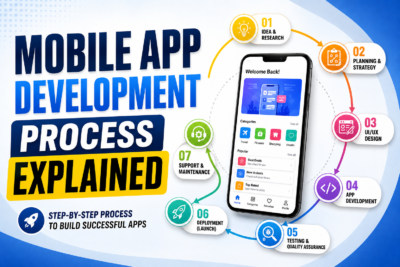
Mobile App Development Lifecycle Explained
Mobile App Development Process Explained
In today’s digital world, mobile applications have become an essential part of businesses, ...
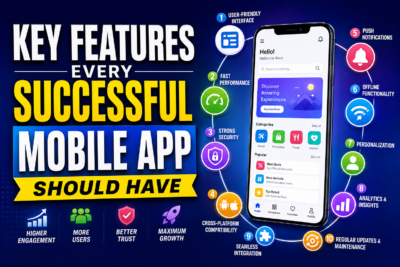
Key Features Every Successful Mobile App Should Have
Key Features Every Successful Mobile App Should Have
In today’s competitive digital world, building a mobile app is easier than ever...