
- Tech
- Shop




Blog
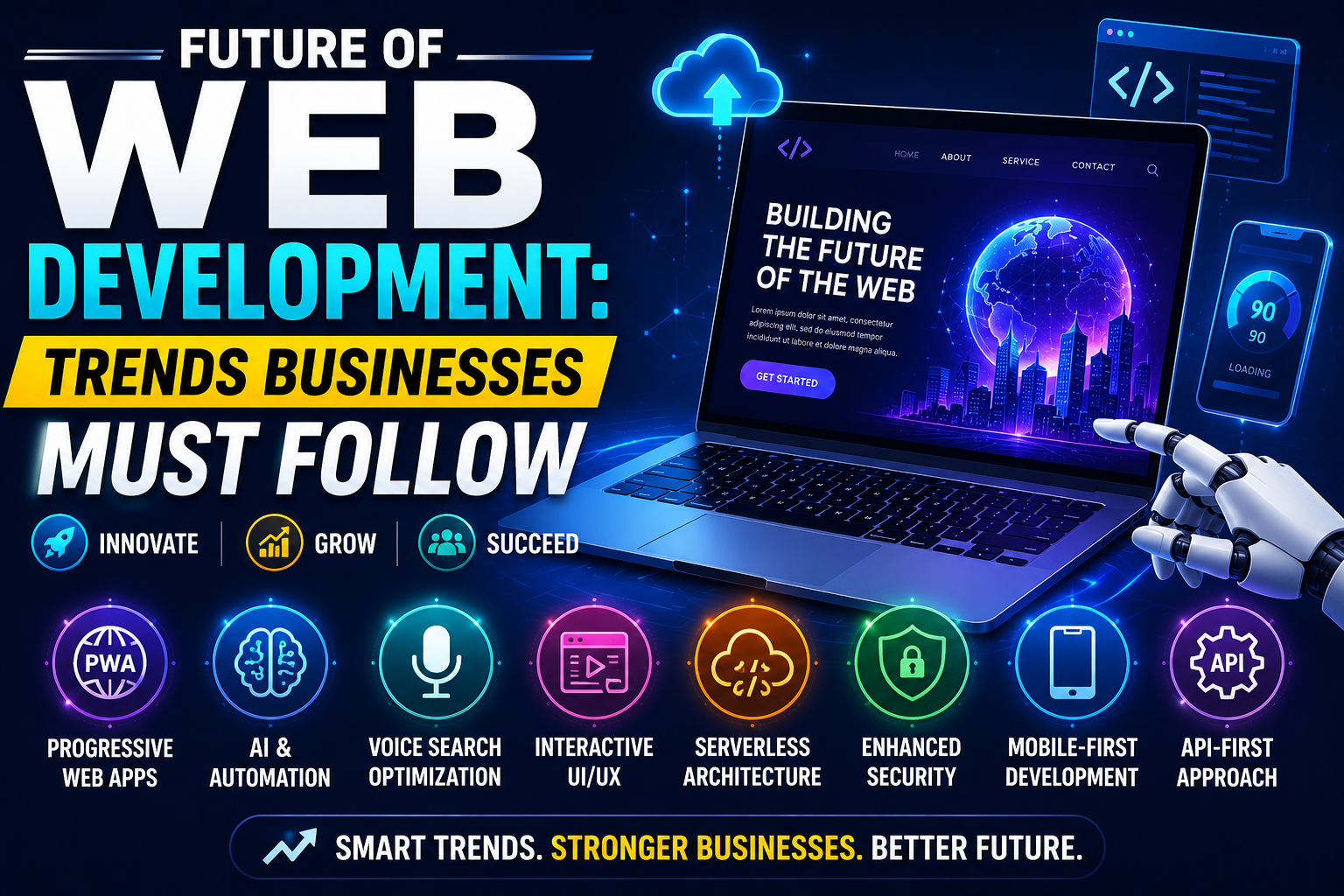
Top Web Development Trends Businesses Should Watch
In today’s fast-changing digital landscape, web development continues to evolve rapidly. Businesses that stay updated with the latest web development trends gain a competitive advantage by delivering faster, smarter, and more engaging online experiences.
Modern websites are no longer just digital brochures — they have become powerful business tools for marketing, sales, customer engagement, automation, and brand growth. From Artificial Intelligence to Progressive Web Apps, new technologies are reshaping how businesses interact with users online.
In this blog, we will explore the top web development trends businesses should watch to stay ahead in the digital era.
Why Web Development Trends Matter
Technology and user expectations change continuously. Businesses that fail to adapt often struggle with poor user engagement, lower search rankings, and reduced customer trust.
Keeping up with web development trends helps businesses:
- Improve user experience
- Increase website performance
- Enhance security
- Boost conversions
- Improve SEO rankings
- Stay competitive
Modern web technologies create better digital experiences for users and stronger growth opportunities for businesses.
1. Progressive Web Apps (PWAs)
Progressive Web Apps are one of the fastest-growing web development trends.
PWAs combine the best features of websites and mobile apps, offering app-like experiences directly through web browsers.
Benefits of PWAs:
- Faster loading speed
- Offline functionality
- Push notifications
- Better user engagement
- Lower development cost
- Improved mobile experience
Companies increasingly use PWAs to improve performance and customer retention.
2. Artificial Intelligence (AI) Integration
Artificial Intelligence is transforming modern websites and online businesses.
AI-powered solutions help businesses automate tasks, improve customer experiences, and provide personalized interactions.
AI Features in Web Development:
- AI chatbots
- Personalized recommendations
- Smart search functionality
- Voice assistants
- Automated customer support
- Predictive analytics
AI improves efficiency while enhancing customer satisfaction.
3. Voice Search Optimization
Voice search usage continues to grow due to smart devices and virtual assistants.
Businesses must optimize websites for voice-based queries to improve visibility in search engines.
Voice Search Trends Include:
- Conversational keywords
- Faster website speed
- Mobile optimization
- Structured data implementation
- Local SEO improvements
Voice search optimization helps businesses reach modern users more effectively.
4. Motion UI and Interactive Design
Modern users prefer visually engaging websites with smooth animations and interactive elements.
Motion UI enhances user experience by creating dynamic and attractive interfaces.
Popular Motion UI Features:
- Smooth scrolling effects
- Animated buttons
- Interactive transitions
- Hover effects
- Dynamic loading animations
Interactive design improves engagement and keeps visitors interested.
5. Serverless Architecture
Serverless technology is becoming increasingly popular in modern web development.
With serverless architecture, businesses can build and run applications without managing physical servers.
Benefits Include:
- Lower infrastructure costs
- Better scalability
- Faster deployment
- Improved flexibility
- Reduced maintenance
Cloud providers handle server management, allowing developers to focus on building applications.
6. Single Page Applications (SPAs)
Single Page Applications provide fast and seamless browsing experiences by loading content dynamically without refreshing the page.
Advantages of SPAs:
- Faster navigation
- Better user experience
- Reduced loading times
- Improved responsiveness
Technologies like React, Angular, and Vue.js are commonly used for SPA development.
7. Cybersecurity and Data Protection
As cyber threats continue to increase, website security has become a top priority for businesses.
Important Security Practices:
- SSL certificates
- Multi-factor authentication
- Data encryption
- Secure APIs
- Regular security updates
- Firewall protection
Strong cybersecurity improves customer trust and protects business data.
8. API-First Development
Modern websites and applications often rely on APIs to connect multiple services and platforms.
API-first development allows businesses to create flexible and scalable digital ecosystems.
Benefits:
- Easier integrations
- Faster development
- Better scalability
- Improved system communication
APIs help businesses integrate payment systems, cloud services, mobile apps, and third-party platforms efficiently.
9. Mobile-First Development
Mobile devices now generate the majority of internet traffic worldwide.
Businesses must prioritize mobile-first design to deliver excellent experiences on smartphones and tablets.
Mobile-First Benefits:
- Better SEO rankings
- Improved user engagement
- Faster mobile performance
- Higher conversion rates
Responsive and mobile-friendly websites are now essential for success.
10. Dark Mode Standardization
Dark mode has become one of the most popular modern UI trends.
Many users prefer dark-themed interfaces for better readability and reduced eye strain.
Benefits of Dark Mode:
- Modern appearance
- Improved accessibility
- Better battery efficiency
- Enhanced user comfort
Businesses are increasingly integrating dark mode into websites and applications.
11. Low-Code and No-Code Development
Low-code and no-code platforms are simplifying web development for businesses.
These platforms allow faster website and application development with minimal coding.
Advantages:
- Faster development cycles
- Reduced development costs
- Easier updates
- Increased productivity
Businesses can launch digital solutions more quickly using these technologies.
12. Cloud-Based Web Applications
Cloud technology continues to dominate modern web infrastructure.
Cloud-based applications offer flexibility, scalability, and remote accessibility.
Cloud Benefits:
- Better performance
- Secure data storage
- Scalability
- Remote collaboration
- Reduced infrastructure costs
Cloud computing supports modern business operations efficiently.
13. Advanced Web Performance Optimization
Website speed directly affects user experience, SEO rankings, and conversions.
Businesses now focus heavily on performance optimization.
Optimization Techniques:
- Image compression
- Lazy loading
- CDN integration
- Code minimization
- Faster hosting solutions
Fast websites improve customer satisfaction and search engine rankings.
14. Augmented Reality (AR) Experiences
Augmented Reality is becoming increasingly popular in industries like eCommerce, real estate, and education.
AR Use Cases:
- Virtual product previews
- Interactive shopping experiences
- Virtual tours
- 3D product visualization
AR improves customer engagement and purchasing confidence.
15. Sustainable and Green Web Development
Businesses are becoming more environmentally conscious, including their digital infrastructure.
Green web development focuses on reducing energy consumption and improving website efficiency.
Sustainable Practices Include:
- Optimized coding
- Efficient hosting
- Reduced server usage
- Lightweight design structures
Eco-friendly websites contribute to sustainable digital growth.
Future of Web Development
The future of web development will continue to focus on:
- Artificial Intelligence
- Automation
- Immersive experiences
- Faster performance
- Enhanced cybersecurity
- Hyper-personalization
Businesses that adopt modern technologies early can build stronger digital presence and long-term competitive advantages.
Conclusion
Web development is evolving faster than ever, and businesses must stay updated with emerging technologies to remain competitive. Trends like AI integration, Progressive Web Apps, serverless architecture, mobile-first development, and cybersecurity are shaping the future of the digital world.
By adopting modern web development trends, businesses can improve user experience, increase customer engagement, boost conversions, and achieve long-term growth.
Investing in modern web technologies is no longer optional — it is essential for success in today’s digital marketplace.
Related posts
Signs Your Business Needs a Website Redesign

How to Know When It’s Time to Upgrade Your Website for Better Growth and Performance
In today’s digital world, your website is often...
Responsive Web Design Explained: A Complete Guide
Why Responsive Design Is Essential for Modern Websites
In today’s digital world, users access websites through a wide variety of dev...
Website Maintenance: Why It Matters for Business Growth
The Importance of Regular Website Maintenance for Performance, Security, and Success
In today’s digital world, a business website is...
Choosing the Right Technology Stack for Your Business Project
How to Choose the Right Technology Stack for Your Project
Choosing the right technology stack is one of the most important decisions...
Top Benefits of Progressive Web Apps for Businesses
Benefits of Progressive Web Apps (PWAs)
In today’s digital landscape, businesses are constantly looking for faster, more efficient, ...

Common Website Security Errors Businesses Must Avoid
Common Website Security Mistakes and How to Avoid Them
In today’s digital world, website security is more important than ever. Busin...

The Impact of Website Speed on SEO and Conversions
How Website Speed Affects SEO and Conversions
In today’s fast-paced digital world, website speed plays a critical role in online suc...
Future of Web Development: Trends Businesses Must Follow
Top Web Development Trends Businesses Should Watch
In today’s fast-changing digital landscape, web development continues to evolve r...
Which Is Better: Custom Software or Off-the-Shelf Software?
Custom Software vs Off-the-Shelf Software: Which Is Better?
In today’s fast-paced digital world, software plays a critical role in b...

How Mobile Apps Increase Business Revenue
How Mobile Apps Help Businesses Increase Revenue
In today’s fast-growing digital economy, mobile applications have become one of the...
Mobile App Development Lifecycle Explained
Mobile App Development Process Explained
In today’s digital world, mobile applications have become an essential part of businesses, ...
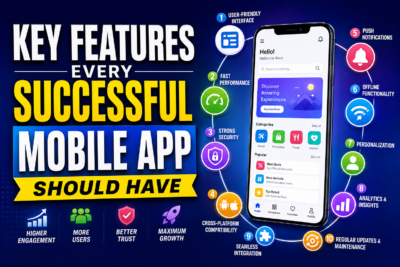
Key Features Every Successful Mobile App Should Have
Key Features Every Successful Mobile App Should Have
In today’s competitive digital world, building a mobile app is easier than ever...