
- Tech
- Shop




Blog
How to Choose the Right Technology Stack for Your Project
Choosing the right technology stack is one of the most important decisions in software and web development. The technologies you select directly affect your project’s performance, scalability, security, development speed, maintenance, and future growth.
Whether you are building a mobile app, website, SaaS platform, eCommerce store, or enterprise software, selecting the right technology stack can determine the success of your project.
In this blog, we will explain what a technology stack is, why it matters, and how to choose the best technology stack for your project professionally and strategically.
What Is a Technology Stack?
A technology stack is a combination of programming languages, frameworks, tools, libraries, databases, and technologies used to develop and run a software application.
A complete technology stack usually includes:
Frontend Technologies
Used for designing the user interface and user experience.
Backend Technologies
Handle server-side operations, databases, APIs, and application logic.
Database Technologies
Store and manage application data.
DevOps and Cloud Services
Support deployment, hosting, scalability, and infrastructure management.
Why Choosing the Right Technology Stack Matters
The right technology stack helps businesses:
- Improve application performance
- Reduce development costs
- Increase scalability
- Enhance security
- Speed up development
- Simplify maintenance
- Improve user experience
Poor technology choices can lead to slow performance, security issues, high maintenance costs, and scalability problems.
Key Factors to Consider When Choosing a Technology Stack
1. Understand Your Project Requirements
Before selecting technologies, clearly define your project goals and requirements.
Important Questions:
- What problem will the project solve?
- Who are the target users?
- What features are required?
- Will the app handle large traffic?
- Is real-time functionality needed?
- What platforms will the project support?
Understanding business objectives helps identify the most suitable technologies.
2. Define Project Type
Different projects require different technology stacks.
Common Project Types:
- Business websites
- eCommerce platforms
- Mobile applications
- SaaS products
- Enterprise software
- Social media platforms
- Real-time applications
The complexity and purpose of the project influence technology selection.
3. Consider Scalability
Scalability refers to how well your application can grow as users and traffic increase.
A Scalable Technology Stack Should:
- Handle increasing users
- Support future features
- Maintain performance under heavy load
- Allow easy infrastructure upgrades
Scalable technologies help businesses grow without rebuilding the entire system.
4. Focus on Performance
Performance affects user experience, SEO rankings, and customer satisfaction.
Performance Factors Include:
- Fast loading speed
- Low latency
- Efficient database handling
- Optimized server response
High-performance technologies improve reliability and engagement.
5. Evaluate Development Speed
Some technologies allow faster development than others.
Faster Development Helps:
- Reduce project timelines
- Lower development costs
- Launch products quickly
- Test business ideas faster
Frameworks with reusable components and strong ecosystems speed up development.
6. Check Security Requirements
Security should be a top priority when selecting technologies.
Important Security Considerations:
- Data encryption
- Authentication systems
- API security
- Regular security updates
- Compliance requirements
Industries like healthcare, banking, and eCommerce require advanced security standards.
7. Analyze Budget and Resources
Budget plays a major role in technology selection.
Cost Factors Include:
- Developer availability
- Licensing fees
- Infrastructure costs
- Maintenance expenses
- Third-party integrations
Open-source technologies often reduce initial development costs.
8. Consider Team Expertise
Choose technologies your development team understands well.
Benefits of Familiar Technologies:
- Faster development
- Fewer mistakes
- Easier maintenance
- Better project management
Hiring developers for highly specialized technologies may increase costs.
9. Community Support and Ecosystem
Strong community support helps solve problems faster and improves long-term stability.
Good Technology Ecosystems Offer:
- Documentation
- Tutorials
- Libraries and plugins
- Active developer communities
- Regular updates
Popular technologies generally provide better long-term support.
10. Future Maintenance and Updates
Technology stacks should remain maintainable for years.
Maintenance Considerations:
- Long-term support availability
- Update frequency
- Backward compatibility
- Security patch support
Outdated technologies may create future migration challenges.
Frontend Technology Options
Frontend technologies handle everything users interact with visually.
Popular Frontend Technologies
React.js
A popular JavaScript library for building dynamic user interfaces.
Best For:
- Single Page Applications (SPAs)
- Interactive web apps
- Large-scale applications
Angular
A powerful frontend framework maintained by Google.
Best For:
- Enterprise applications
- Large business platforms
- Complex web systems
Vue.js
A lightweight and flexible JavaScript framework.
Best For:
- Fast development
- Small-to-medium projects
- Easy learning curve
Backend Technology Options
Backend technologies manage server-side logic and application processing.
Popular Backend Technologies
Node.js
A fast JavaScript runtime environment.
Best For:
- Real-time applications
- APIs
- Scalable web apps
Python
Known for simplicity and powerful frameworks.
Popular Frameworks:
- Django
- Flask
Best For:
- AI applications
- Data-driven systems
- Web applications
PHP
Widely used for web development.
Best For:
- Content management systems
- Business websites
- eCommerce platforms
Java
A powerful enterprise-grade programming language.
Best For:
- Large enterprise systems
- Banking software
- High-performance applications
Database Technology Options
Databases store and manage application data.
SQL Databases
Examples:
- MySQL
- PostgreSQL
- Microsoft SQL Server
Best For:
- Structured data
- Financial systems
- Business applications
NoSQL Databases
Examples:
- MongoDB
- Firebase
- Cassandra
Best For:
- Real-time apps
- Flexible data structures
- Large-scale applications
Cloud and Hosting Technologies
Cloud infrastructure supports deployment and scalability.
Popular Cloud Platforms:
- AWS
- Google Cloud
- Microsoft Azure
Cloud Benefits:
- Scalability
- Reliability
- Global accessibility
- Security
- Cost optimization
Cloud computing has become essential for modern applications.
Mobile App Technology Stacks
Native Development
Android:
- Kotlin
- Java
iOS:
- Swift
Advantages:
- High performance
- Better device integration
- Excellent user experience
Cross-Platform Development
Popular Frameworks:
- Flutter
- React Native
Advantages:
- Faster development
- Single codebase
- Lower development costs
Common Technology Stack Examples
MERN Stack
Includes:
- MongoDB
- Express.js
- React.js
- Node.js
Best For:
- Full-stack JavaScript applications
MEAN Stack
Includes:
- MongoDB
- Express.js
- Angular
- Node.js
Best For:
- Enterprise web applications
LAMP Stack
Includes:
- Linux
- Apache
- MySQL
- PHP
Best For:
- Traditional web applications
JAMstack
Includes:
- JavaScript
- APIs
- Markup
Best For:
- Fast and secure websites
Mistakes to Avoid When Choosing a Technology Stack
Common Mistakes:
- Following trends blindly
- Ignoring scalability
- Choosing unfamiliar technologies
- Neglecting security
- Underestimating maintenance
- Ignoring project requirements
Strategic planning prevents expensive technical problems later.
Future Technology Trends
Modern software development continues evolving rapidly.
Emerging Trends:
- Artificial Intelligence integration
- Serverless computing
- Cloud-native applications
- Blockchain development
- Low-code platforms
- Edge computing
Businesses should select technologies that can adapt to future innovations.
Conclusion
Choosing the right technology stack is a critical step in building successful digital products. The ideal stack depends on your project goals, scalability needs, budget, security requirements, and development timeline.
A well-chosen technology stack improves performance, accelerates development, enhances user experience, and supports long-term business growth.
Instead of selecting technologies based only on popularity, businesses should focus on practicality, flexibility, maintainability, and future scalability to ensure long-term project success.
Related posts
Signs Your Business Needs a Website Redesign

How to Know When It’s Time to Upgrade Your Website for Better Growth and Performance
In today’s digital world, your website is often...
Responsive Web Design Explained: A Complete Guide
Why Responsive Design Is Essential for Modern Websites
In today’s digital world, users access websites through a wide variety of dev...
Website Maintenance: Why It Matters for Business Growth
The Importance of Regular Website Maintenance for Performance, Security, and Success
In today’s digital world, a business website is...
Choosing the Right Technology Stack for Your Business Project
How to Choose the Right Technology Stack for Your Project
Choosing the right technology stack is one of the most important decisions...
Top Benefits of Progressive Web Apps for Businesses
Benefits of Progressive Web Apps (PWAs)
In today’s digital landscape, businesses are constantly looking for faster, more efficient, ...

Common Website Security Errors Businesses Must Avoid
Common Website Security Mistakes and How to Avoid Them
In today’s digital world, website security is more important than ever. Busin...

The Impact of Website Speed on SEO and Conversions
How Website Speed Affects SEO and Conversions
In today’s fast-paced digital world, website speed plays a critical role in online suc...
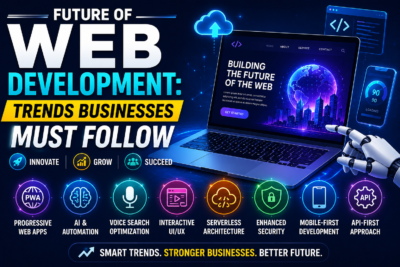
Future of Web Development: Trends Businesses Must Follow
Top Web Development Trends Businesses Should Watch
In today’s fast-changing digital landscape, web development continues to evolve r...
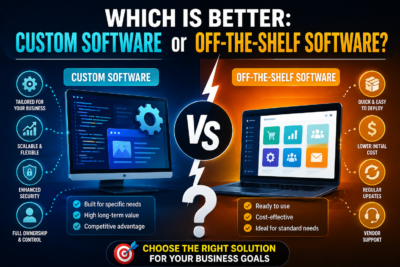
Which Is Better: Custom Software or Off-the-Shelf Software?
Custom Software vs Off-the-Shelf Software: Which Is Better?
In today’s fast-paced digital world, software plays a critical role in b...

How Mobile Apps Increase Business Revenue
How Mobile Apps Help Businesses Increase Revenue
In today’s fast-growing digital economy, mobile applications have become one of the...
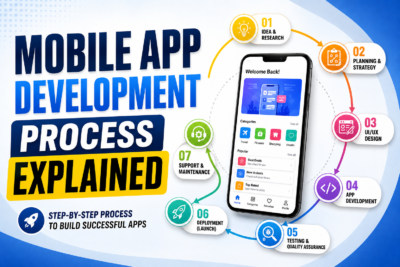
Mobile App Development Lifecycle Explained
Mobile App Development Process Explained
In today’s digital world, mobile applications have become an essential part of businesses, ...
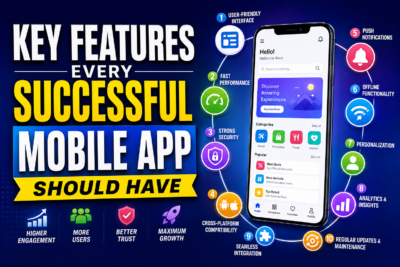
Key Features Every Successful Mobile App Should Have
Key Features Every Successful Mobile App Should Have
In today’s competitive digital world, building a mobile app is easier than ever...